MWOS Ngoni Stadium Sets New Standards in Zimbabwean Football
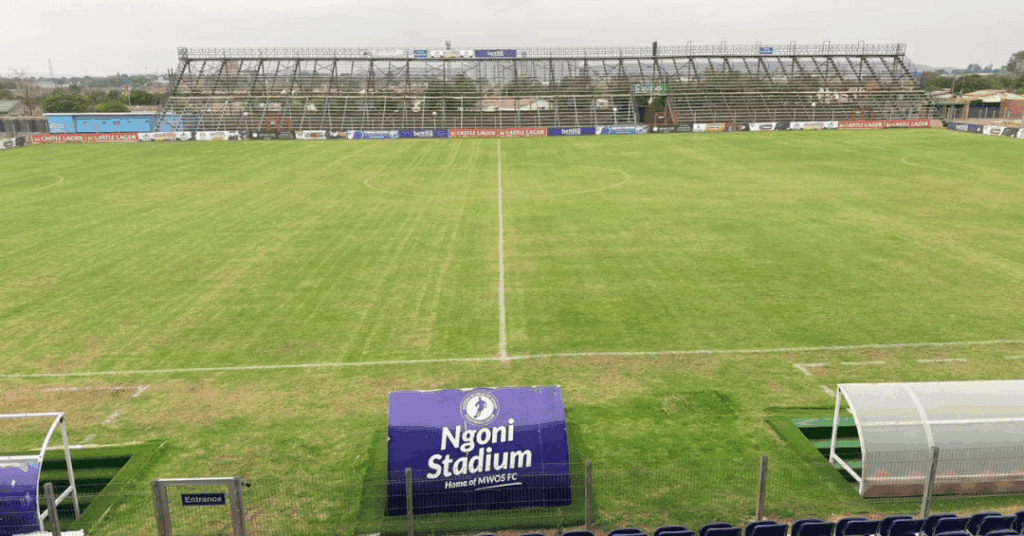
MWOS FC has positioned itself at the forefront of football development in Zimbabwe through deliberate investment in infrastructure, youth pathways, and community-driven growth. Central to this progress is MWOS Ngoni Stadium, whose refurbishment was completed in early April 2025, marking a significant milestone not only for the club but for football in Norton and the country at large.
Managed and developed by MWOS FC, the 5,000-capacity MWOS Ngoni Stadium has rapidly transformed into a venue of continental relevance. Prior to the club’s promotion to the Castle Lager Premier Soccer League in early 2025, the stadium was rarely mentioned in discussions around hosting top-flight or international fixtures. Today, it stands as a recognised football venue capable of meeting regional and CAF standards.
In a remarkable demonstration of this progress, MWOS Ngoni Stadium has hosted two international competitions within the same year. The venue successfully staged the COSAFA Under-17 AFCON Qualifier, hosted in partnership with The Heart, and is currently hosting the CAF Under-17 Girls Integrated Football Tournament. These tournaments have placed Norton firmly on the African football map and provided young players with invaluable international exposure.
Notably, these achievements have come without immediate financial gain to those behind the stadium’s refurbishment and management. Instead, MWOS FC’s approach has been guided by long-term impact — creating sustainable football infrastructure that benefits the wider game rather than pursuing short-term returns.
MWOS FC Chairman Mr Arimoso has consistently emphasised the broader value of investing in sport, describing it as an investment in youth and the future of the nation. “Young talents are groomed and developed for the betterment of society and the country at large,” he notes — a philosophy that underpins the club’s decisions at every level.
Through its management of MWOS Ngoni Stadium, its youth development programmes, and its willingness to host international competitions, MWOS FC has demonstrated how club-led initiatives can elevate an entire football ecosystem. The club’s model highlights the role that purposeful ownership, sustainable planning, and community focus can play in advancing Zimbabwean football.
As the nation continues to rebuild its football identity, MWOS FC stands as a benchmark for what is possible when vision meets action. The future of the game depends on institutions that think beyond results on the pitch — and MWOS FC is proving that meaningful progress begins with investment in people, infrastructure, and opportunity.